Study in University of Helsinki
Last edited on 25 Oct 2026


On average, the University of Helsinki rank in the top 1% of the world's research universities.
On average, the University of Helsinki ranks among the top 40 European universities, or in the top percentile.
Founded in 1640, the University of Helsinki is Finland's oldest and largest university: around 31,000 students, 11 faculties and four campuses in the capital. It is a broad research university, ranked among the top 1% in the world, and a member of the League of European Research Universities.
International students can choose from more than 30 Master's programmes and a smaller selection of Bachelor's programmes taught entirely in English, in fields from data science and computer science to agricultural sciences, atmospheric sciences, global politics, law, economics and public health.
Studying here looks different from many other systems. Teaching is built on our own research, class sizes are small, and you are expected to work independently from the start: fewer contact hours, more group work, laboratory and field work, seminars and your own reading. Professors are approachable and you address them by first name.
Tuition fees for students from outside the EU/EEA are 13,000 to 18,000 euros per academic year depending on the programme. The university's scholarship programme awards full tuition fee waivers to the strongest applicants to English-taught Master's programmes, and some of these come with an additional grant towards living costs.
The international Master's programmes have one intake per year, with a two-week application period in January for studies beginning the following August, so plan your documents and language test well in advance.
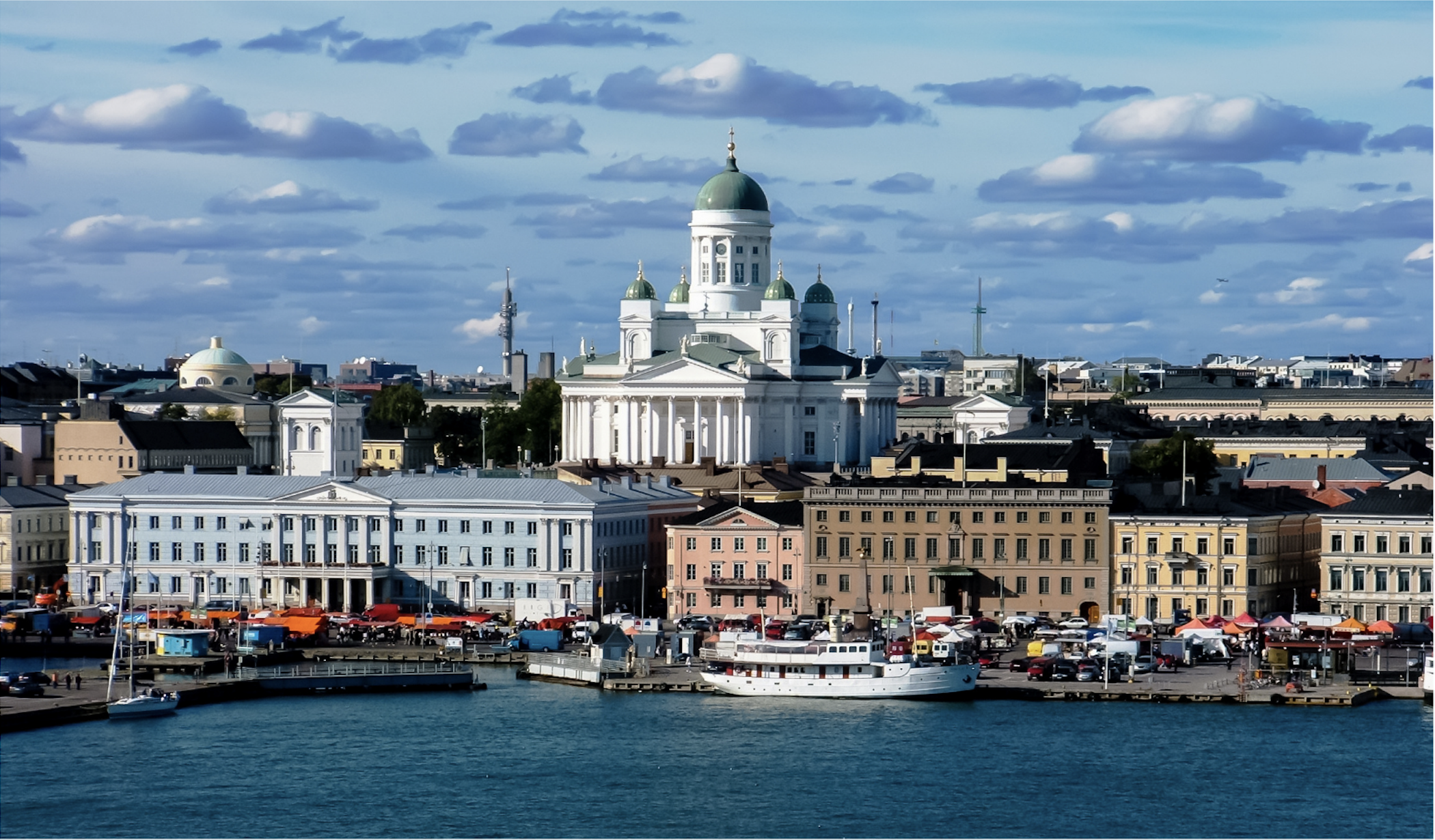
Helsinki is a compact, safe and green capital by the Baltic Sea, with excellent public transport, English spoken almost everywhere, and student discounts on housing, meals and travel that keep living costs manageable.